
Homemade White Bread with a Tangy Poolish Method Recipe
Introduction
White bread is a timeless classic, perfect for sandwiches or simply enjoyed with butter. This recipe uses a poolish starter to develop a rich flavor and a soft, chewy texture.
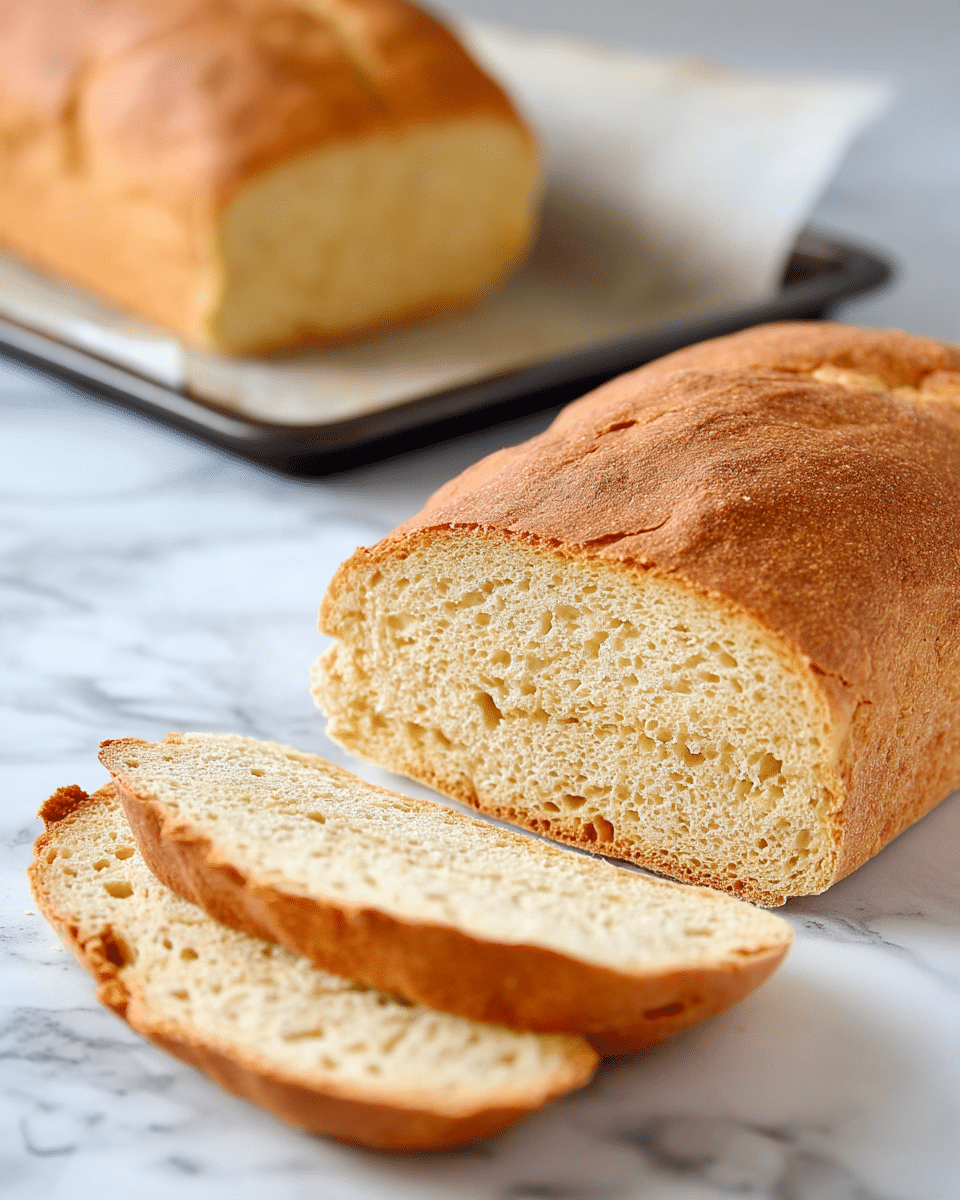
Ingredients
- 1/3 cup all-purpose flour
- 1/2 teaspoon instant yeast
- 1/4 cup lukewarm water
- 3 1/2 cups bread flour (plus more for dusting)
- 1 1/2 cups lukewarm water
- 1 1/4 teaspoons salt
Instructions
- Step 1: Mix poolish by combining the all-purpose flour, instant yeast, and 1/4 cup lukewarm water in a small bowl. Stir until smooth, cover tightly, and let ferment at room temperature for about 12 hours to develop flavor.
- Step 2: In a large bowl, combine the poolish, bread flour, 1 1/2 cups lukewarm water, and salt. Stir to form a wet, sticky dough. Adjust with more water or flour if needed; the dough should be tacky. Cover and let rest for 30 minutes to hydrate the flour.
- Step 3: Over the next two hours, perform gentle stretch and folds every 30 minutes. Lightly moisten your hands, lift one edge of the dough, and fold it over itself to strengthen the gluten structure.
- Step 4: Flour your work surface and divide the dough into two equal parts. Shape each into a rough rectangle, folding the edges inwards. Place the loaves on a flour-dusted baking sheet, cover with a clean towel, and proof for 45 minutes. Then uncover.
- Step 5: Preheat your oven to 425°F (220°C) about 20 minutes before baking. Position the baking sheet on the center rack.
- Step 6: Bake the loaves for 25 to 30 minutes until they are golden brown and sound hollow when tapped on the bottom. Remove from the oven and cool completely on a rack before slicing.
Tips & Variations
- Use a kitchen scale to measure flour for more consistent results.
- If you prefer a softer crust, brush the loaves with melted butter as soon as they come out of the oven.
- Substitute part of the bread flour with whole wheat flour for a heartier flavor.
- For a crisper crust, place a pan of water in the oven during baking to create steam.
Storage
Store the cooled bread in a paper bag or bread box at room temperature for up to three days. For longer storage, freeze the loaves wrapped in foil or plastic wrap for up to one month. To reheat, thaw at room temperature and warm in a 350°F oven for 10 minutes for a fresh-baked taste.
How to Serve
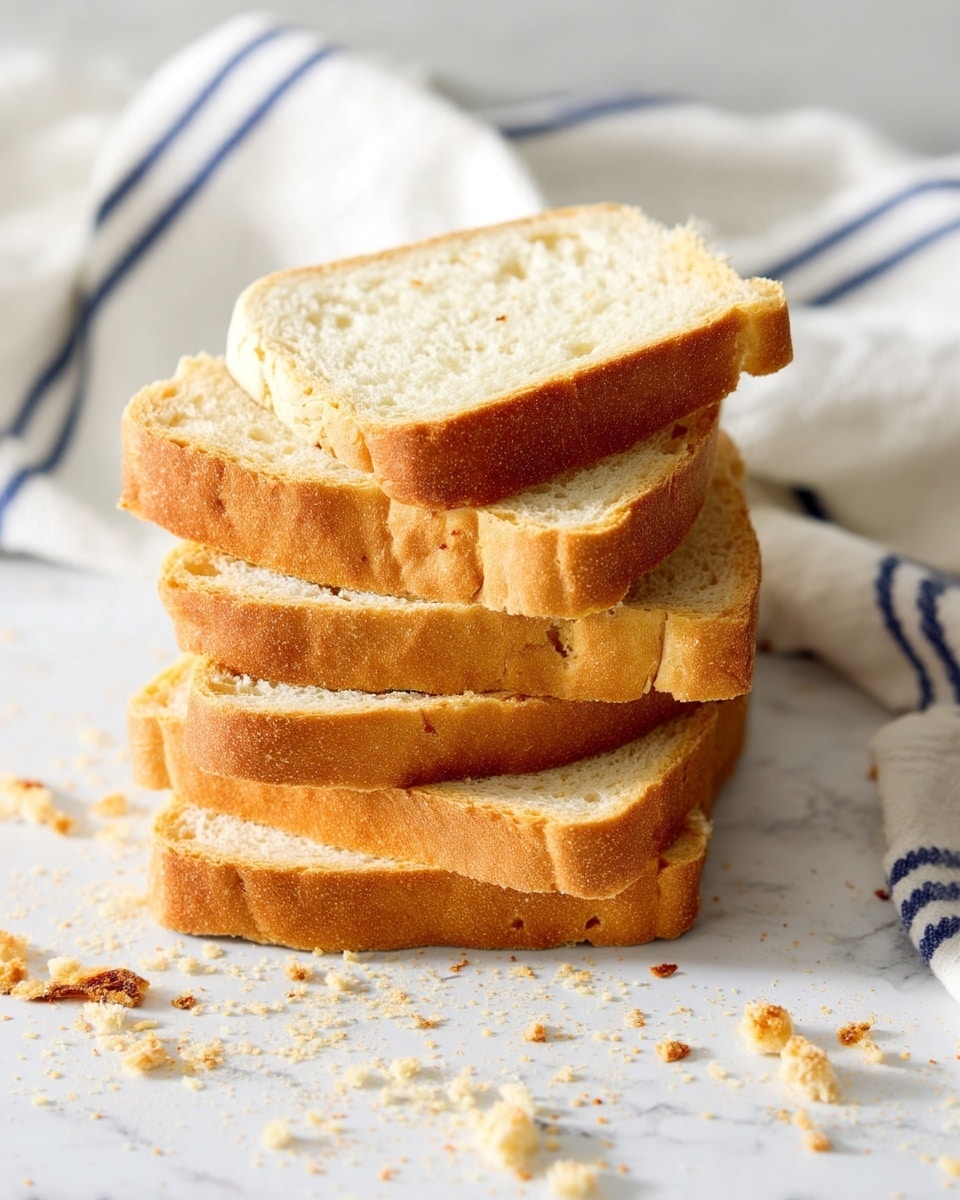
Serve this delicious recipe with your favorite sides.
FAQs
What is poolish and why is it used?
Poolish is a type of pre-ferment made from flour, water, and a small amount of yeast. It is mixed and allowed to ferment, enhancing the bread’s flavor, texture, and keeping quality.
Can I use active dry yeast instead of instant yeast?
Yes, you can substitute active dry yeast but it needs to be dissolved in water first and may require slightly longer fermentation times.
PrintHomemade White Bread with a Tangy Poolish Method Recipe
This classic White Bread recipe produces a soft, flavorful loaf with a golden crust and a tender crumb. Using a poolish starter enhances the flavor and texture, while stretch-and-fold techniques develop gluten without intensive kneading. Perfect for sandwiches or toast, this bread is baked in the oven to perfection.
- Prep Time: 15 minutes (plus 12 hours fermentation and 2.5 hours rising)
- Cook Time: 25-30 minutes
- Total Time: Approximately 15 hours (includes fermentation and proofing times)
- Yield: 2 medium-sized loaves 1x
- Category: Bread
- Method: Baking
- Cuisine: American
Ingredients
Poolish
- 1/3 cup all-purpose flour
- 1/2 teaspoon instant yeast
- 1/4 cup lukewarm water
Dough
- 3 1/2 cups bread flour (plus more for dusting)
- 1 1/2 cups lukewarm water
- 1 1/4 teaspoons salt
Instructions
- Mix poolish: Combine the poolish ingredients (all-purpose flour, instant yeast, and lukewarm water) in a small bowl. Stir until smooth, cover tightly, and let ferment at room temperature for approximately 12 hours to develop flavor.
- Combine dough: In a large bowl, mix the poolish with bread flour, lukewarm water, and salt. Stir until a wet, sticky dough forms. Adjust with additional water or flour as needed to achieve a tacky consistency. Cover and let rest for 30 minutes to allow the flour to hydrate.
- Stretch dough: Over the next two hours, perform gentle stretch and folds every 30 minutes. Wet your hands to prevent sticking, then carefully lift and fold one edge of the dough over itself to develop gluten strength.
- Shape loaves: Lightly flour your work surface and divide the dough into two equal parts. Shape each into a rough rectangle, folding the edges inwards to create tension. Place the shaped dough on a flour-dusted baking sheet, cover with a clean towel, and proof for 45 minutes. Then uncover.
- Preheat oven: Preheat your oven to 425°F (220°C) about 20 minutes before baking. Place the baking sheet on the center rack to ensure even heat distribution.
- Bake: Bake the loaves for 25-30 minutes or until they are golden brown and sound hollow when tapped on the bottom. Remove from oven and allow to cool completely on a wire rack before slicing.
Notes
- Ensure your water is lukewarm (about 100-110°F) to activate the yeast without killing it.
- Resting the dough after mixing helps the flour absorb moisture fully, improving texture.
- The stretch and fold method builds gluten gently, making the dough easier to handle without intense kneading.
- Letting the bread cool completely before slicing keeps the crumb from becoming gummy.
- You can sprinkle sesame or poppy seeds on top before baking for added flavor and texture.
Keywords: white bread, homemade bread, bread recipe, soft bread, classic bread, baking bread